Follow the thread
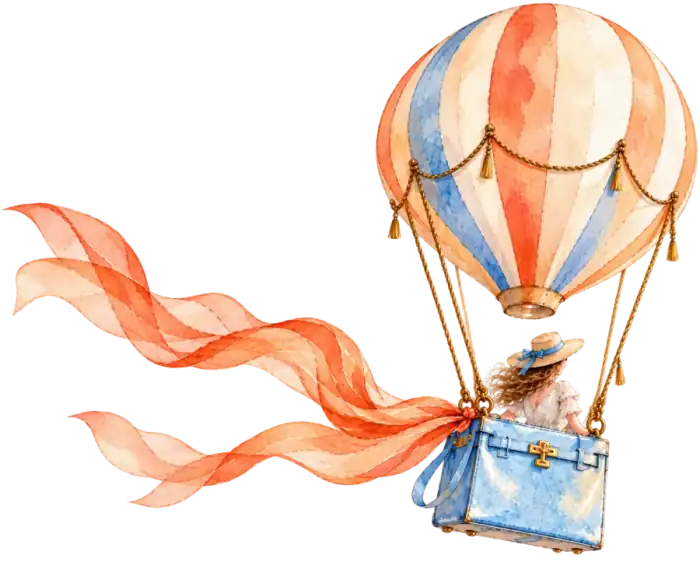
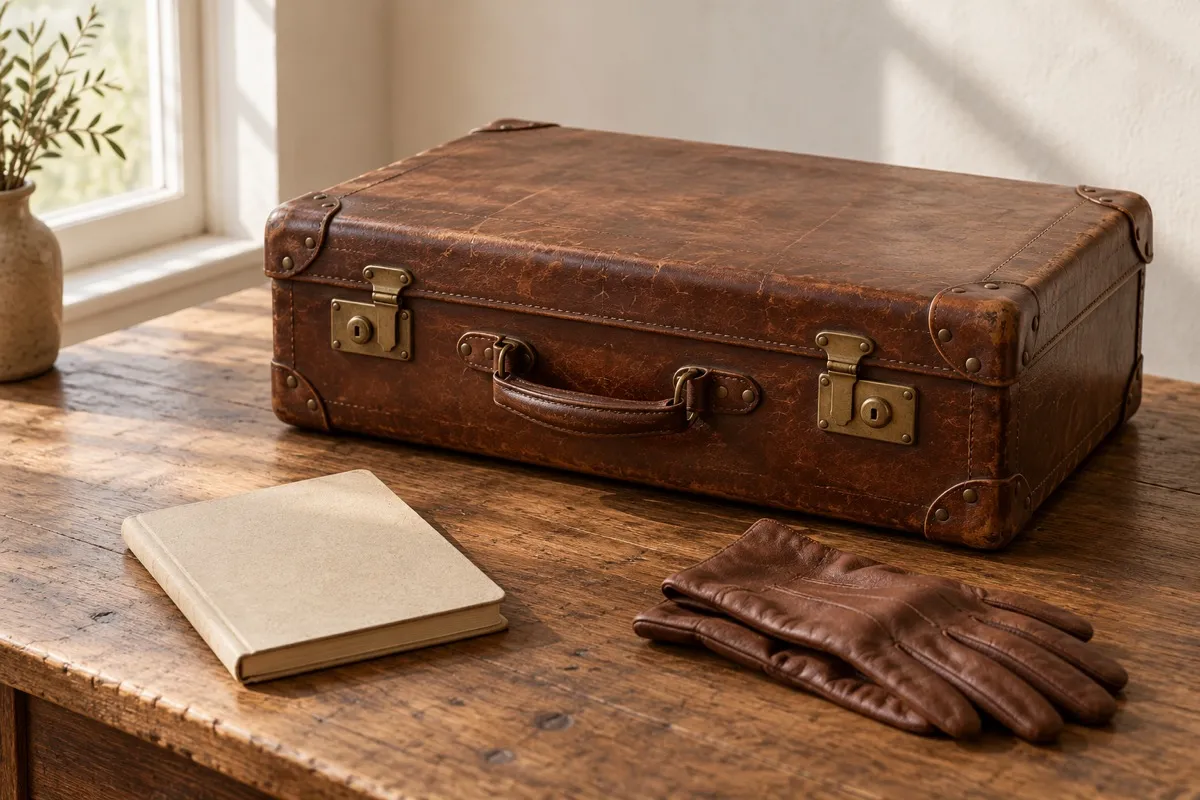
Start with a moment, then follow what changes. Read the history in chapters, with room for the people, choices and changing ways of life behind the objects. Dates give the journey its shape; the stories give you a reason to keep going. Choose a period or begin with the question that brought you here.
Explore the history →Look beyond the fold
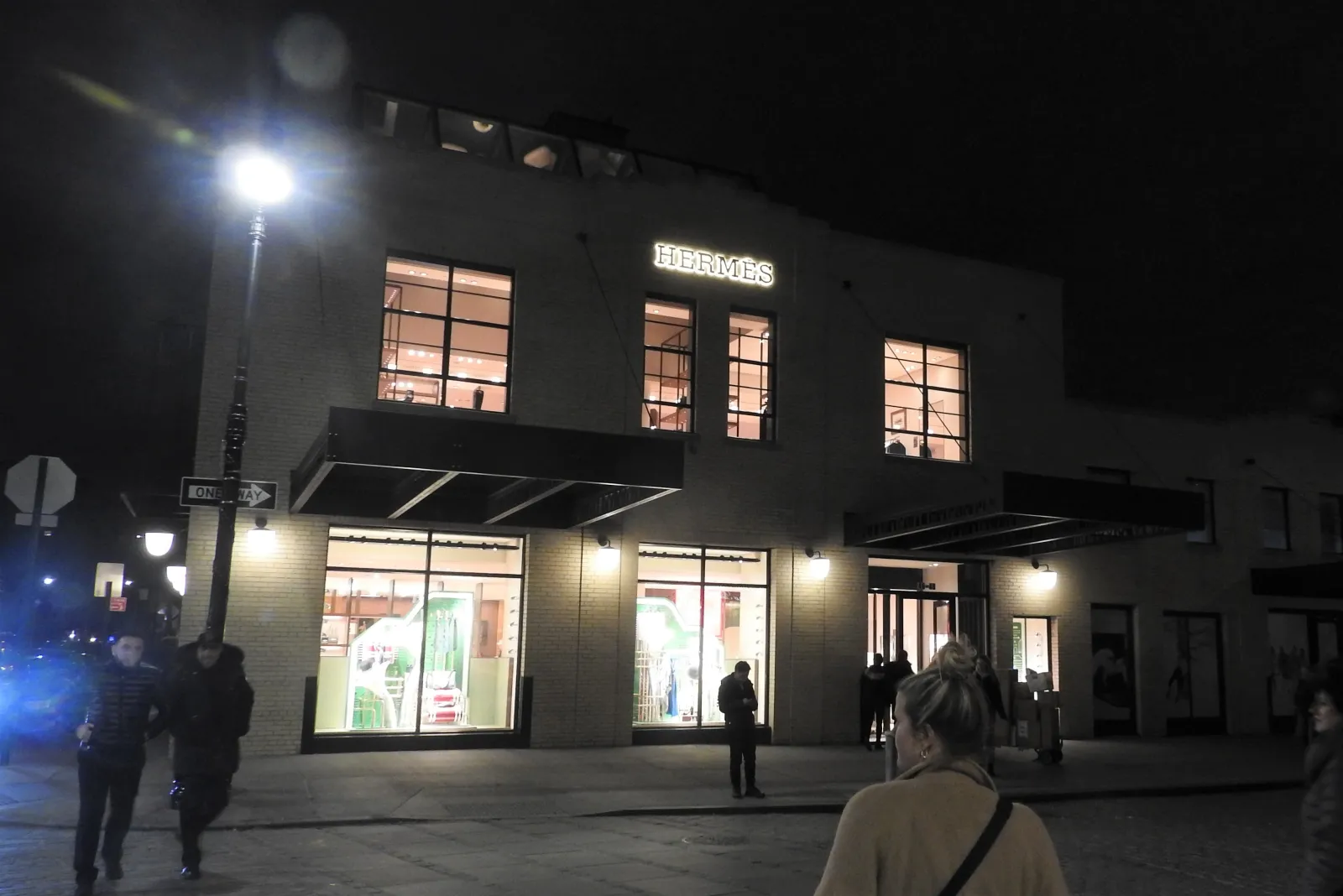
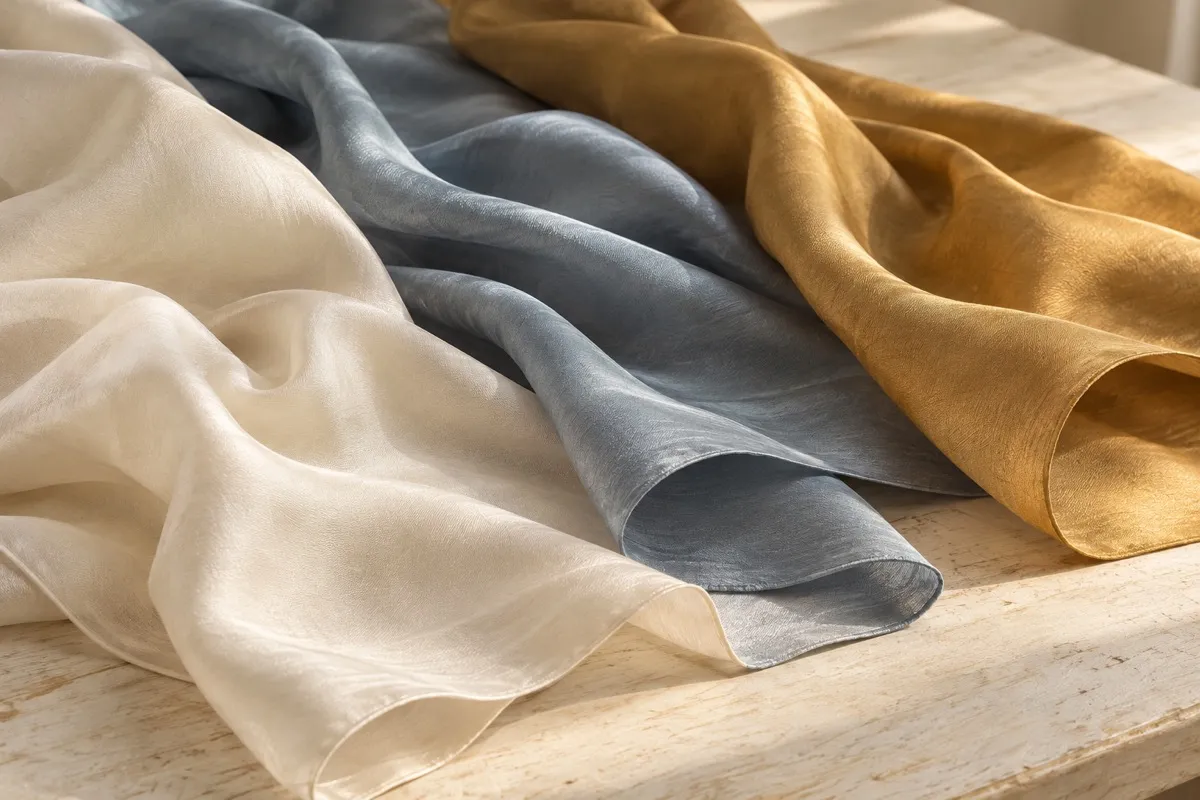
Begin with a drawing that catches your eye. Follow its credited artist, look closely at the details and keep the design distinct from the different pieces that carry it. This is an invitation to discover connections, one carefully documented example at a time. An open question can be a useful place to begin.
Enter the Silk Archive →An object, closely read
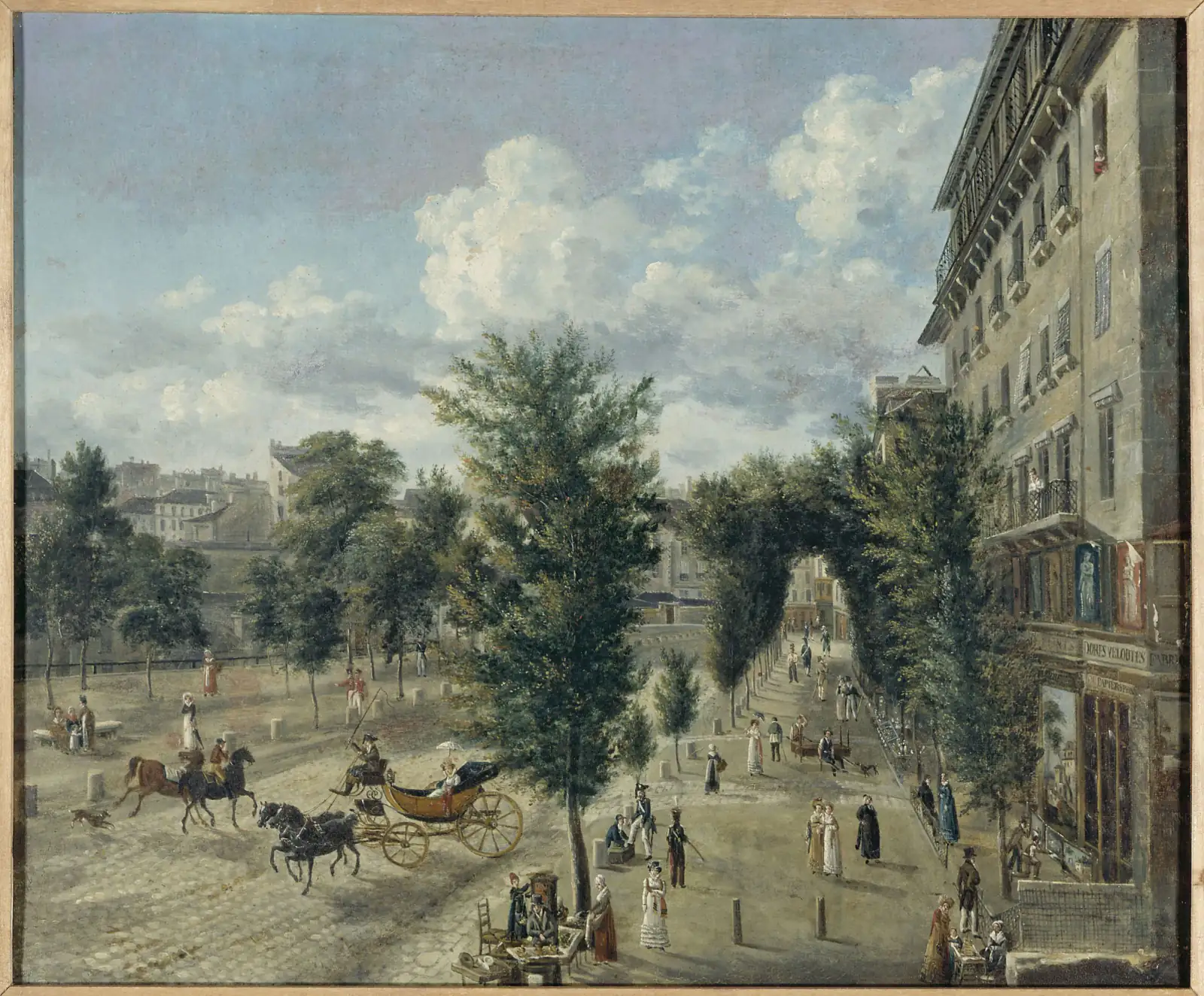
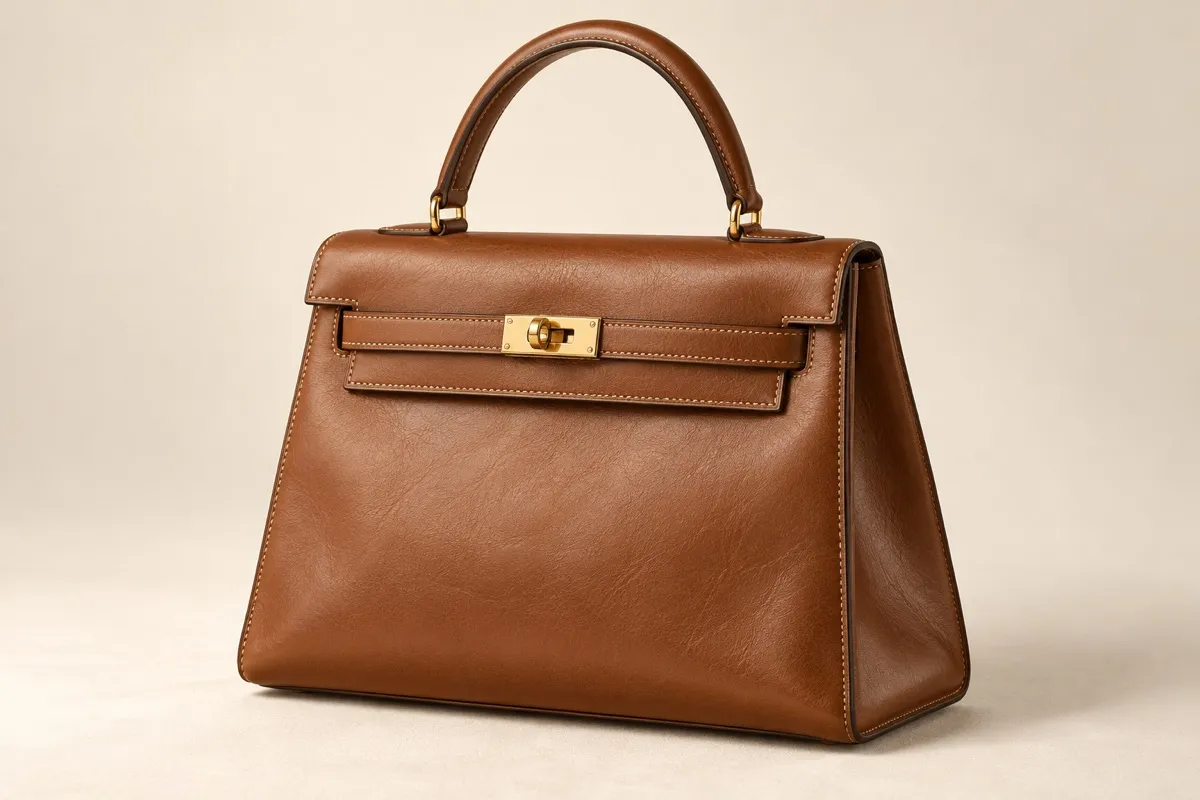
What makes a shape stay with us? Begin with a creation, then follow its documented story: the idea, the details and the meanings people bring to it. Look beyond recognition to discover what deserves a second glance. Read each object in its own context, with clear distinctions between its origins, later versions and the stories told about it.
Discover the creations →Notice the work
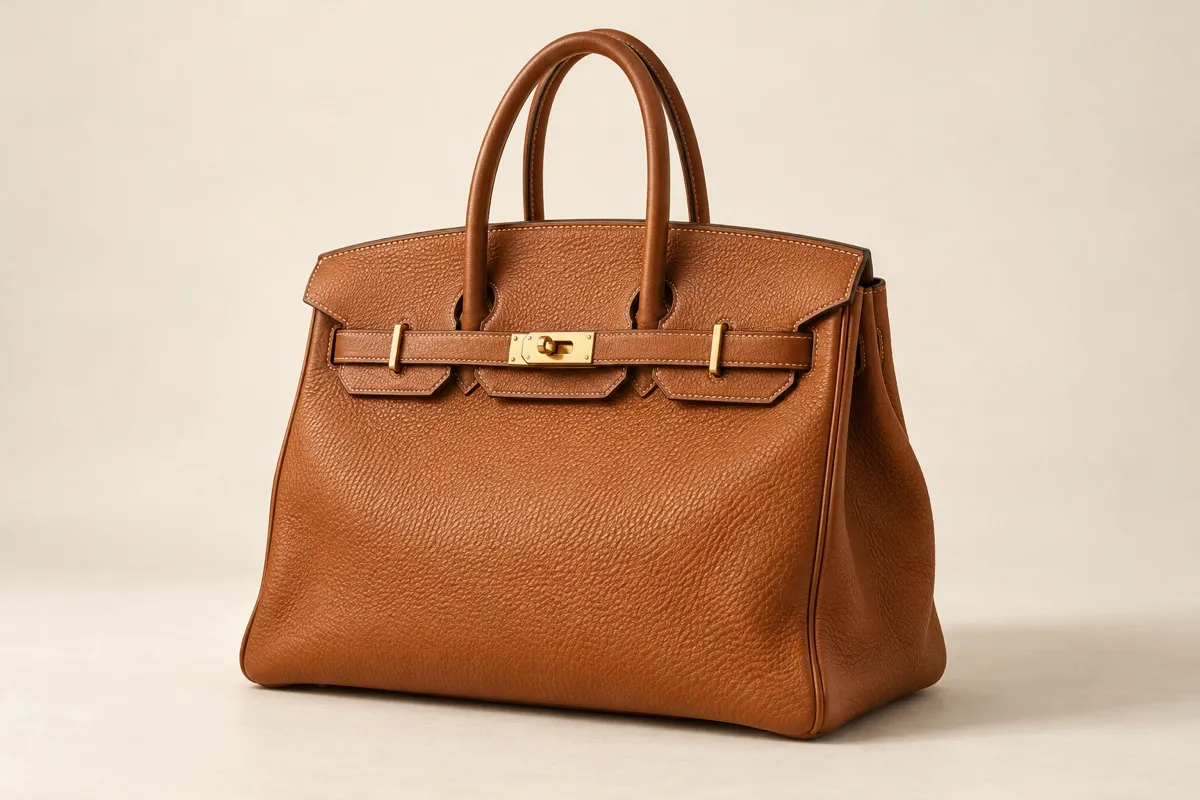
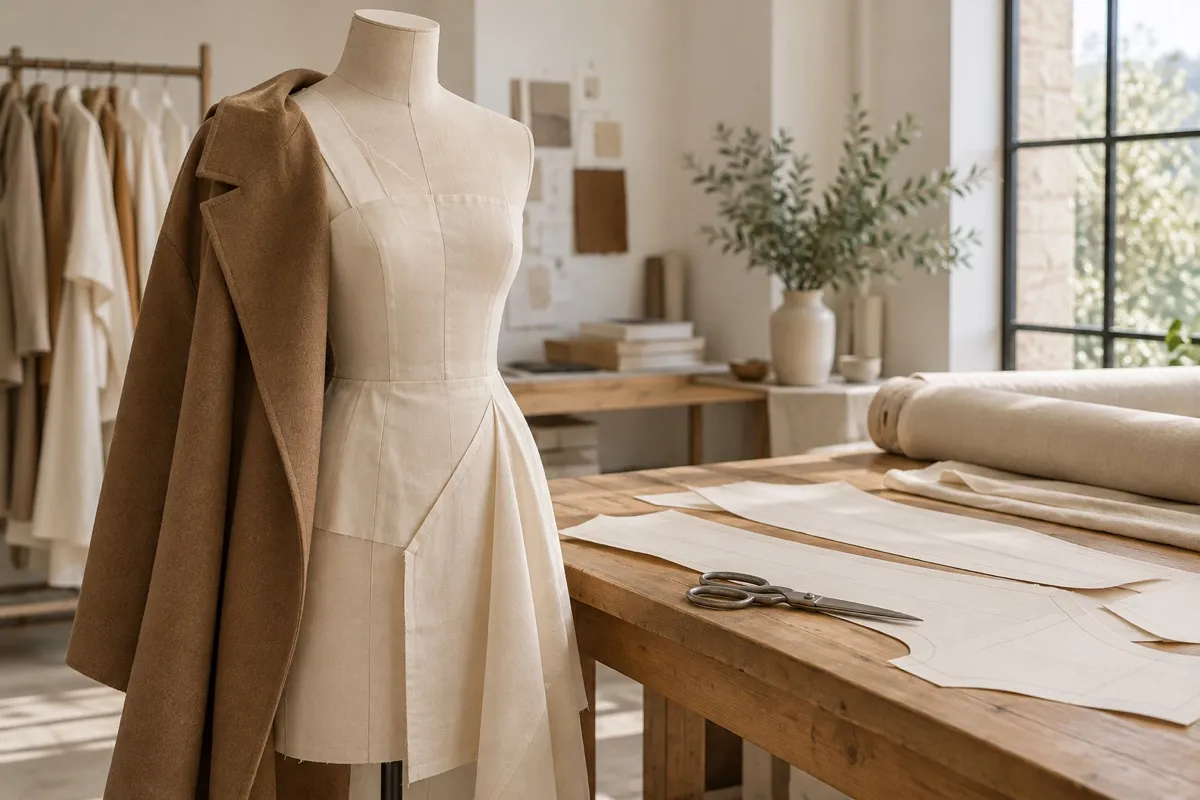
Look a little closer at a seam, an edge or a change of material. Understanding a gesture can change the way you see an object. Explore making, care and repair through precise accounts, with room for limits as well as possibilities. The pleasure is in learning to notice, rather than collecting impressive numbers.
Follow the gestures →Meet the people behind the piece
A name beside a drawing can become the beginning of another journey. Explore creative work through the people connected to it: their documented choices, ideas and contributions. Follow a credit into a story, then return to the object with a little more to see. A portrait can begin with the work without pretending to tell an entire life.
Explore the people →What we choose to keep
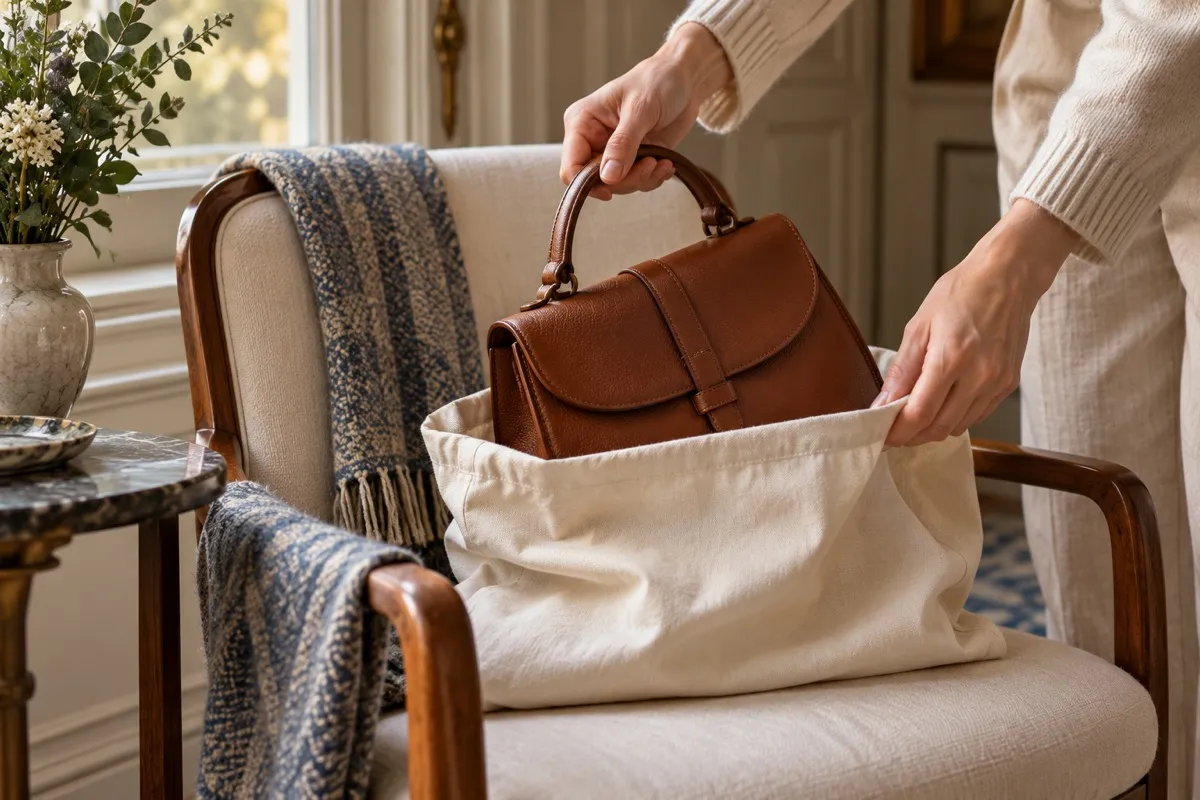
A collection can begin with a color, a memory or the pleasure of looking closely. Here, the interest is in the person and what an object comes to mean. Discover published stories of attachment, care and collecting. Consider what you would want someone else to know about a piece you hope to pass on.
Read the stories →Go to the source
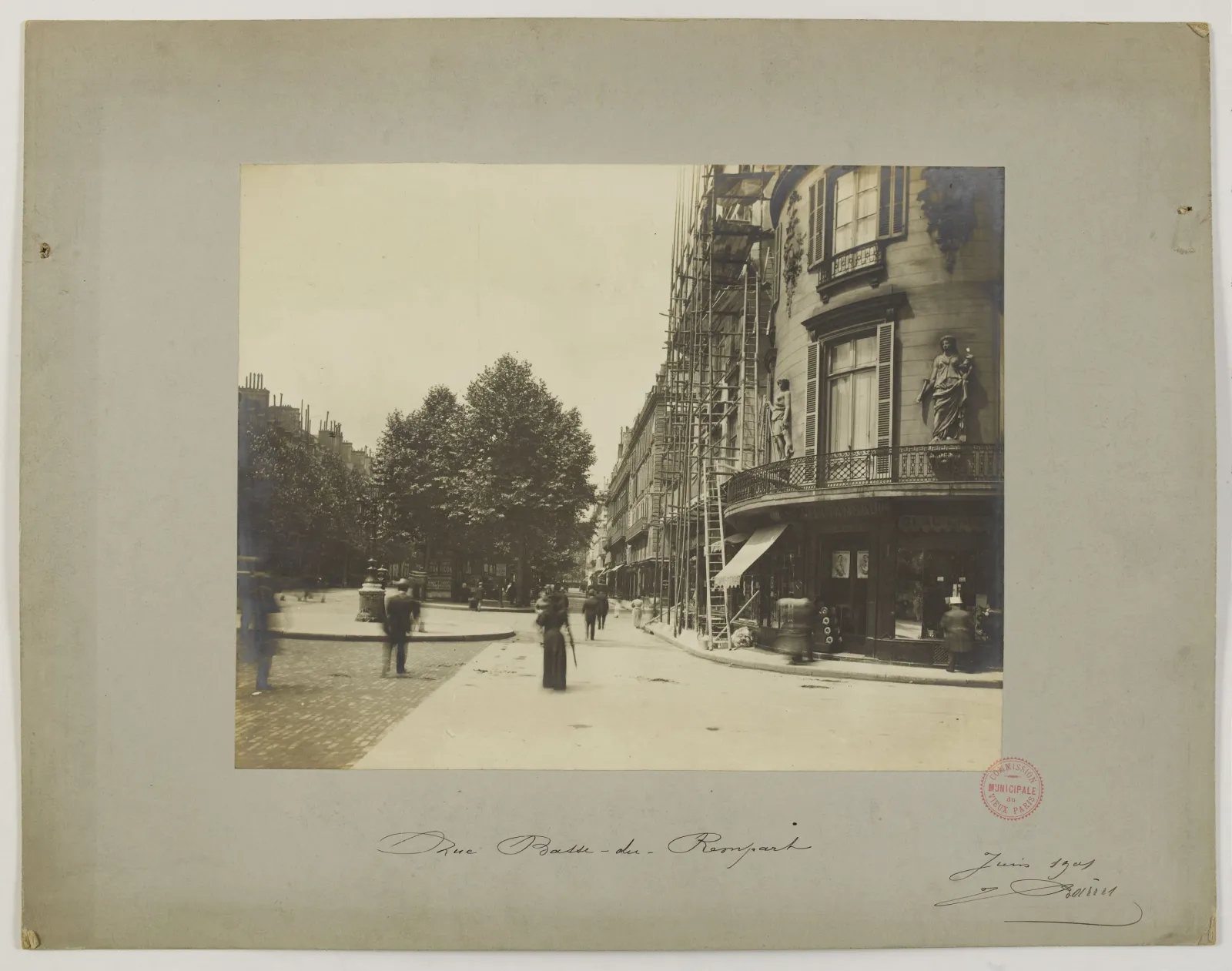
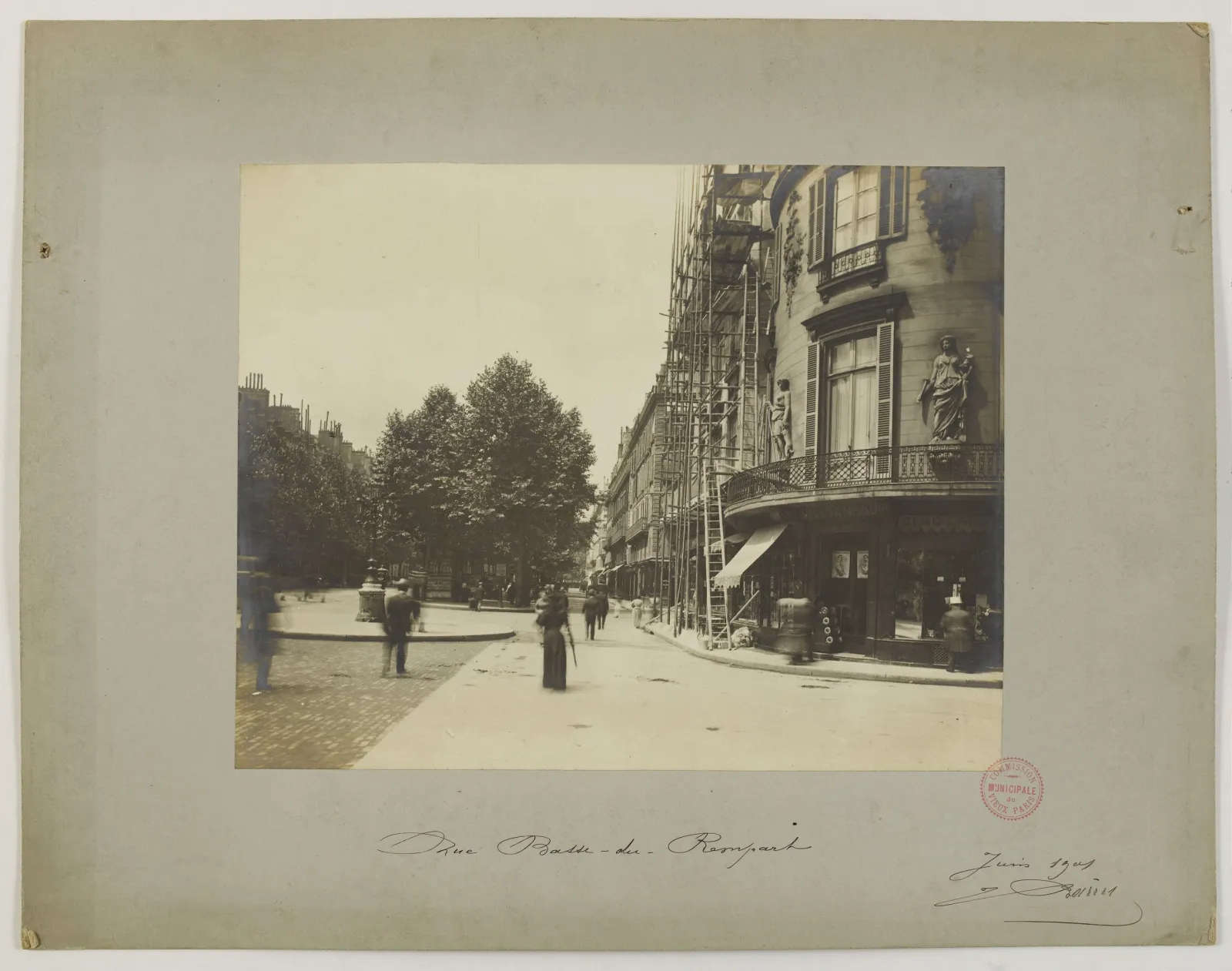
Stay curious beyond the page. Follow the original publications, museum records and films selected to accompany the stories. Each reference should help you see where a detail comes from and what remains open. A film is another way to look, while a source is an invitation to check, compare and continue your own discovery.
Browse the references →