
An object can reach another person with its shape intact and much of its story missing. The box survives; the reason it was kept does not. A photograph shows it in use, but nobody has written the date on the back. Passing something on can be a chance to preserve a little of that context while there is still someone available to ask.
Collecting begins in many ways. You may follow a color, a subject, an artist or the pleasure of using a particular shape. You may own one thing that matters greatly and have no wish to add another. For this kind of attention, the size of the collection is beside the point. The interesting question is what you notice and choose to remember.
More than a famous silhouette
The V&A’s exhibition Bags: Inside Out placed bags within questions of design, function and craftsmanship. Its range extended from rucksacks and luggage to objects such as an opera bag with its contents and a dowry bag from Sindh. This wider view is useful for a Hermès collector: it allows a familiar accessory to sit within a history of carrying, keeping and personal life.[2]
Look at your own object with that wider frame in mind. What did you use it for? Did its proportions suit your day, or did you have to adapt? Was it chosen with great care, received unexpectedly or discovered long after you first wanted it? These are prompts, not a requirement to find a remarkable story. An ordinary answer may be the one a future owner most enjoys.
Keep the record simple enough to finish
A useful personal record can fit on a page. Note the maker or attribution, the model or design if established, the materials as documented, dimensions and the date and circumstances of acquisition. Add clear photographs and references to receipts or service papers. If the name or date is uncertain, say so. You can improve an honest incomplete record later.
Keep observation separate from recollection. A dated receipt, a photograph and a remembered conversation are different kinds of evidence. Preserve all three when they matter, but let each speak in its own capacity. Record who supplied a memory and when you heard it, with their permission if it will be shared. Avoid quietly turning a family recollection into an established manufacturing date.
This care with associations has a parallel in conservation. The Canadian Conservation Institute describes the loss of identifying evidence as a form of “dissociation” and stresses keeping detached elements connected with an object’s record. A private collection does not need museum administration. It can borrow the basic insight: keeping the thing and keeping its identity together are related tasks.[1]
Make the records findable. A beautifully written account helps little if nobody knows where it is stored. Give photographs sensible names, keep a backup and tell the intended recipient where to find the relevant papers. Separate sensitive financial details from the version you might share publicly. A collection can be carefully documented without becoming an open account of someone’s private life.
Leave room for more than one kind of value
The amount paid for something does not describe everything it means to its owner. Nor does affection prove rarity, authenticity or financial value. Keep those categories separate. It is perfectly possible to say that an object matters deeply to you while being uncertain about a technical detail, or while knowing that another person might choose something entirely different.
Repair can become part of the record rather than an awkward interruption in it. Note what was done, by whom and when, if the information is available. Keep earlier photographs alongside later ones. You do not have to decide that every change improves the object; you only need to describe the changes honestly enough for the next person to understand them.
Give the next owner some freedom
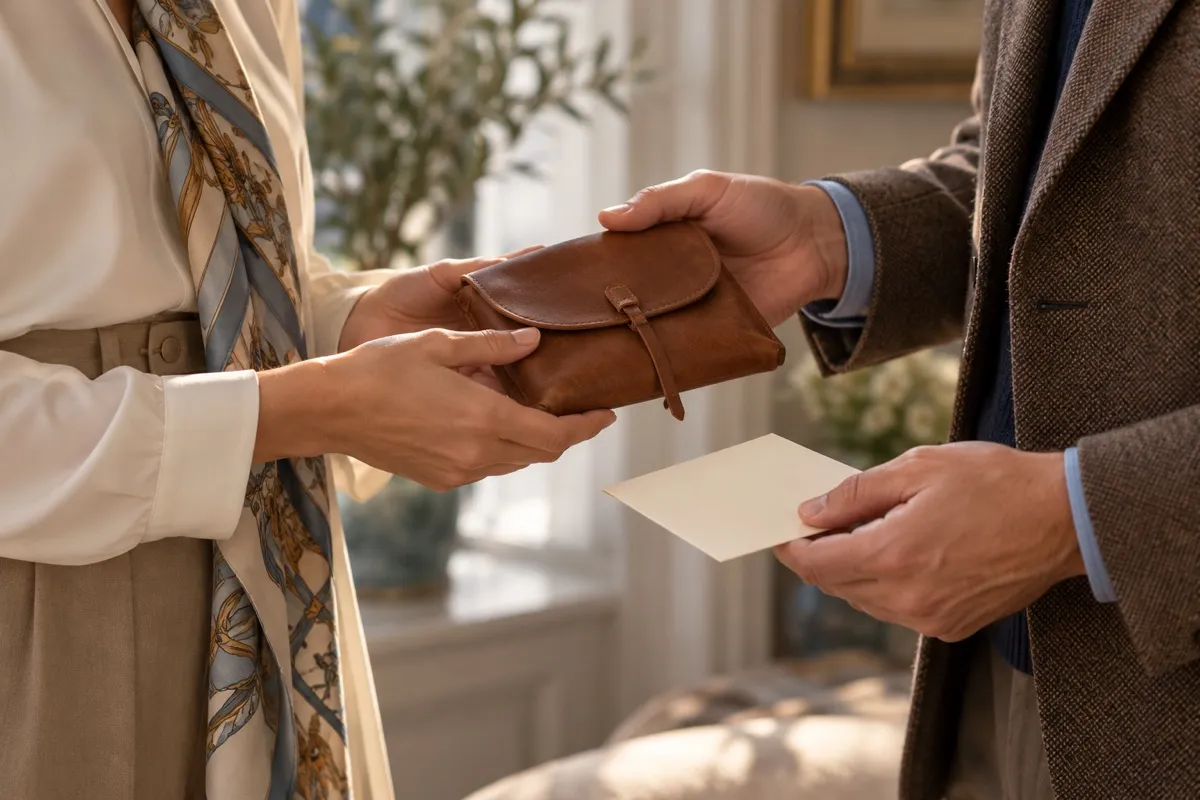
Passing on an object is also a conversation about another person’s wishes. Ask whether they want it, how they imagine using it and what information would help them. An affectionate gift need not arrive with an obligation to preserve every habit of its previous owner. Someone may wear a scarf differently, use a bag less often, or decide that another object suits them better.
Where a story includes other people, think about the audience. A private note and a public collector portrait are not the same thing. Names, photographs and intimate memories deserve deliberate permission before they travel further. There is no need to make a story more moving by supplying details nobody can verify, or by sharing something its participants would rather keep to themselves.
The most generous record may end with an invitation: here is what I know; here is what I loved; the rest is yours to discover. That leaves the object with a past without trapping it there. A collection can hold continuity and change at once, with room for the next person to find a pleasure the previous one never noticed.
Sources & further reading
- Caring for leather, skin and fur · Canadian Conservation Institute, Government of CanadaDissociation, lines 291–295Consulted 2026-10-27
- Bags: Inside Out · Victoria and Albert MuseumExhibition introduction, line 27; Exhibition highlights, lines 62–66Consulted 2026-10-27