
MyQuotaBag
Hermès Leathers
Every leather of the Hermès bags, compared.
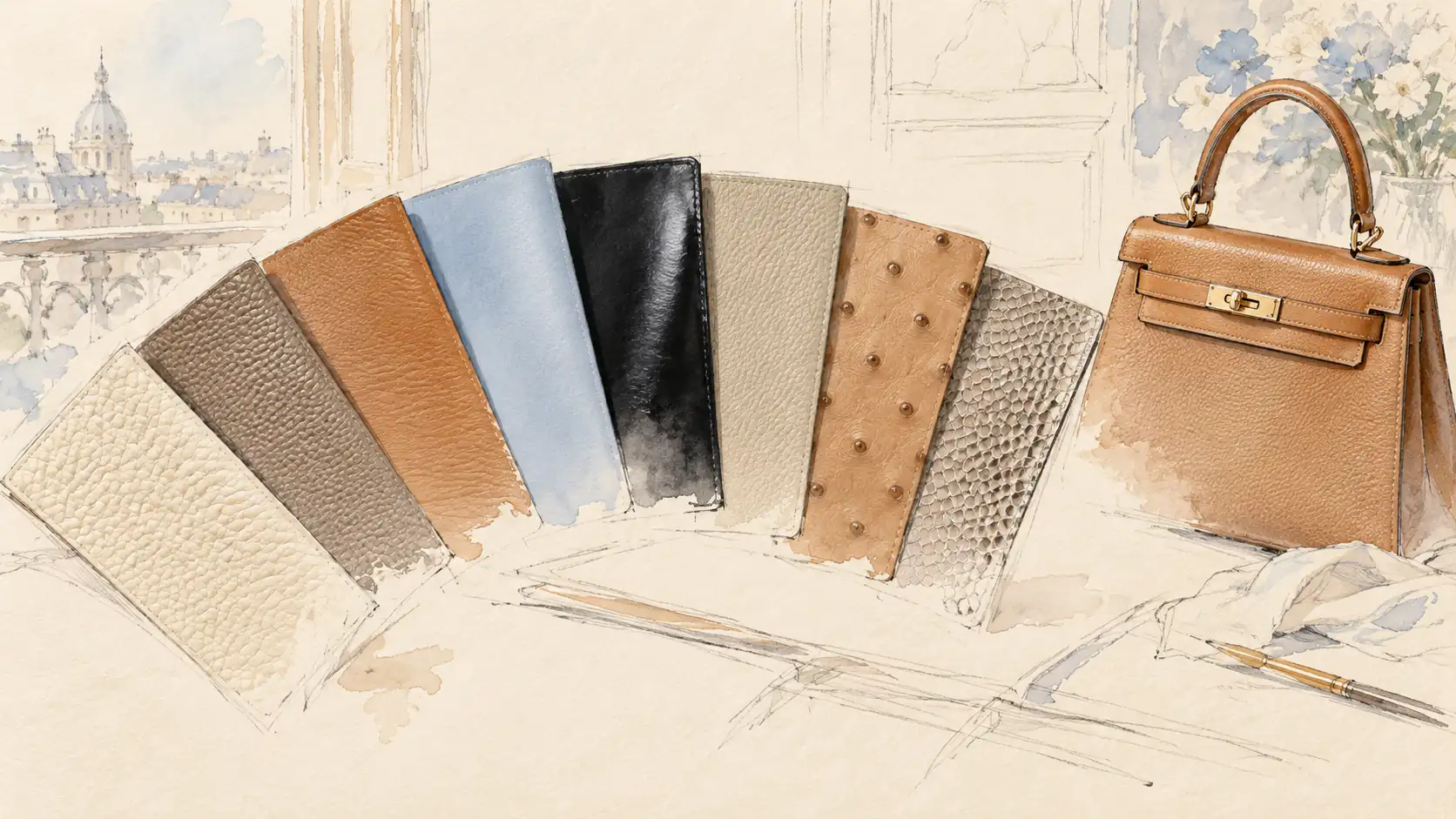
Togo or Epsom? Clemence or Swift? Ostrich or crocodile? Each Hermès leather has its own story, grain, way of aging and price. This guide gathers what the house, regulators, tanneries, the press and collectors say about each one, says where they disagree and compares the resale asking prices of the same bag in each leather.
 TogoThe reference
 EpsomResale 1.02 × Togo
 ClemenceResale 0.87 × Togo
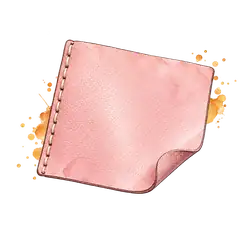 SwiftResale 1.07 × Togo
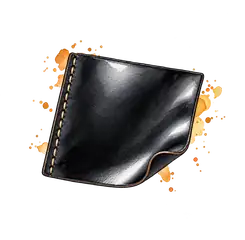 BoxResale 0.99 × Togo
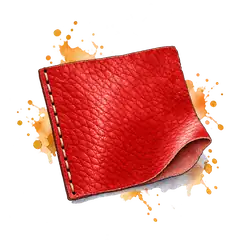 Chèvre (goat)Resale 0.87 × Togo
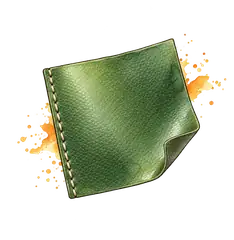 EvercolorResale 0.97 × Togo
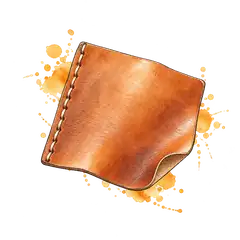 BareniaResale 1.08 × Togo
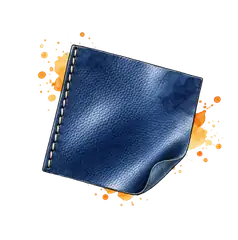 Taurillon Novillo (bull calf)Calf and cowhide
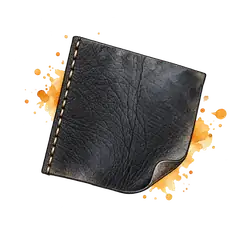 FjordCalf and cowhide
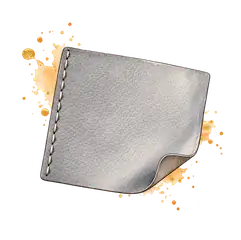 MadameResale 1.13 × Togo
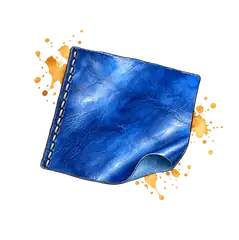 TadelaktResale 1.24 × Togo
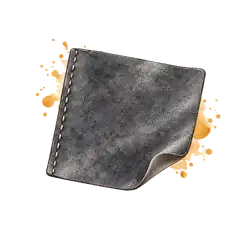 Doblis (suede)Calf and cowhide
 Vache HunterCalf and cowhide
 Vache NaturelleCalf and cowhide
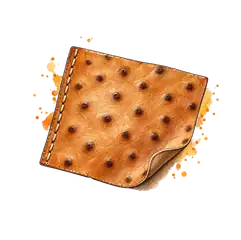 OstrichResale 1.24 × Togo
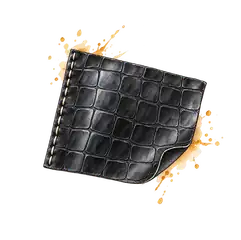 AlligatorResale 2.62 × Togo
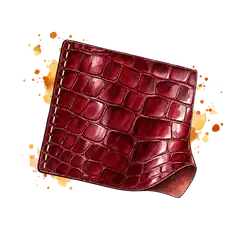 Crocodile NiloticusResale 2.04 × Togo
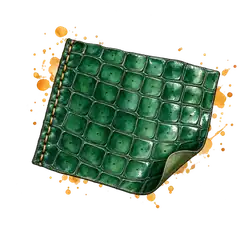 Crocodile PorosusResale 2.10 × Togo
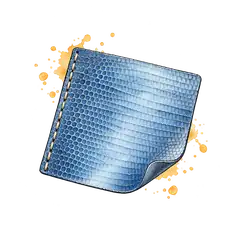 LizardExotic
Compare two leathers
Choose a leather on each side. Ratings are MyQuotaBag's view; resale versus Togo is measured.
| Criterion | Togo | Epsom |
|---|---|---|
| Scratch resistance | 8/10 | 7/10 |
| Holds its shape | 6/10 | 9/10 |
| Lightness | 7/10 | 6/10 |
| Rain and water | 7/10 | 8/10 |
| Easy care | 8/10 | 9/10 |
| Color depth | 7/10 | 9/10 |
| Patina | 4/10 | 1/10 |
| Visible natural grain | ✓Yes | –No |
| Embossed grain | –No | ✓Yes |
| Structured look | –No | ✓Yes |
| Made for daily use | ✓Yes | ✓Yes |
| CITES paperwork to travel | –No | –No |
| Boutique price versus Togo | The reference | Same price (Kelly 25) |
| Resale versus Togo | The reference (1.00) | 1.02 times Togo |
Our take. Ratings out of 10 are our editorial view, built from the sources on each leather page and from collectors' experience. They are not laboratory measurements and a well-kept bag in any leather can last for decades.
All Hermès leathers
Resale versus Togo: median asking price of the same bag, size and condition, divided by its price in Togo, snapshot of October 19, 2026. Share of listings: part of the listings whose leather is named.
Calf and cowhide leathers
| Leather | Grain | Since | Boutique versus Togo | Resale versus Togo | Share of listings |
|---|---|---|---|---|---|
| Togo | Natural, pebbled, with visible veins | 1997 | The reference | 1.00 | 19% |
| Epsom | Embossed, small and regular | 2004 | Same price (Kelly 25) | 1.02 | 19% |
| Clemence | Natural, large and flat | 1992 | Not published | 0.87 | 31% |
| Swift | Smooth micro-grain | 2004 | Same price (Birkin 25) | 1.07 | 9% |
| Box | Smooth and glossy | 1920s at Hermès | About 37% more (Kelly 25 Sellier) | 0.99 | 2% |
| Evercolor | Fine embossed grain | 2012 | Not published | 0.97 | 2% |
| Barenia | Smooth saddle leather | 1970s | About 12% more (Faubourg) | 1.08 | under 1% |
| Taurillon Novillo (bull calf) | Tiny, even grain with a satin touch | 2015 | Not published | – | – |
| Fjord | Large, flat, matte grain | Not published (bags from 1990) | Not published | – | under 1% |
| Madame | Fine embossed grain | 2018 or 2019 | Not published | 1.13 | under 1% |
| Tadelakt | Smooth, semi-shiny, marbled | 2007 | Not published | 1.24 | under 1% |
| Doblis (suede) | Suede | 1930s | Not published | – | under 1% |
| Vache Hunter (cowhide) | Smooth, slightly satiny cowhide | 1998 | Not published | – | – |
| Vache Naturelle (cowhide) | Smooth or grained, vegetable-tanned | Not published (a house classic) | Not published | – | – |
Goat leathers
| Leather | Grain | Since | Boutique versus Togo | Resale versus Togo | Share of listings |
|---|---|---|---|---|---|
| Chèvre (goat) | Fine natural grain | 1990s (Mysore), 2018 (Chamkila) | About 7% to 9% more | 0.87 | 2% |
Exotic skins
| Leather | Grain | Since | Boutique versus Togo | Resale versus Togo | Share of listings |
|---|---|---|---|---|---|
| Ostrich | Raised quill follicles | 1920 | About 78% more (Mini Kelly 20) | 1.24 | 2% |
| Alligator | Regular scales without pores, matte or shiny | Not published | About 4 to 5 times | 2.62 | 2% |
| Crocodile Niloticus | Larger scales, matte or shiny | Not published | Not published | 2.04 | under 1% |
| Crocodile Porosus | Small symmetrical scales, each with a pore | Not published | About 4 to 5 times | 2.10 | 1% |
| Lizard | Very small scales | Not published (bags from 2001) | About 2.3 times (Mini Kelly 20, 2025) | – | under 1% |
What the data shows
At the boutique, calf leathers cost much the same: in January 2026, price trackers reported a Birkin 25 at the same US price in Togo and Swift. A Kelly 25 was reported at the same price in Togo Retourne and Epsom Sellier. Exotic skins do not: alligator and crocodile Birkins were reported at about 4 to 5 times their Togo price.
On the resale market the gap is much narrower. In our snapshot of October 19, 2026, comparing listings of the same bag, size and condition, matte alligator was asked at about 2.6 times Togo, Nile crocodile at about 2 times and ostrich at about 1.2 times. Exotic skins keep a premium, but a far smaller one than at the boutique.
Among the calf leathers, asking prices stay close to Togo. In the same snapshot, Epsom, Swift, Box and Barenia were within about 8% of Togo for the same bag, size and condition, while Clemence and goat were asked about 13% lower.
Rarer leathers
Some leathers appear too rarely, or are too recent, for a full page. What the sources say about each:
- Barenia Faubourg (2016): a Barenia with a tiny printed grain, softer and less prone to visible scratches, with the same patina. It is covered on the Barenia page.
- Sombrero (Sombrero II from 2017): a smooth, matte calfskin used on rigid bags, which scratches easily.
- Butler (2012): a natural, untreated calfskin with a Barenia-like patina, seen on the Sabot.
- Négonda (2002): obtained by shrinking the hide, seen on the Garden Party.
- Evercalf (2000): the smooth calfskin of the Ever family, which darkens and grows glossier with time. Hermès still lists it on its website.
- Jonathan and Chéri (2019): supple calfskins; Chéri II followed in 2025.
- Chèvre Coromandel: returned to the collections in 2019.
Retired leathers
Hermès does not publish the date a leather is withdrawn. These dates come from collectors and resellers:
- Gulliver: a soft calfskin, withdrawn around 1999 according to collectors; auction houses list Gulliver bags from 1993 and 1998. Hermès confirms it is no longer made and says Swift resembles it.
- Courchevel and Veau Grain Lisse: pressed-grain calfskins, withdrawn around 2003 and 2004, before Epsom took their place.
- Ardennes: a thick, durable grained leather, withdrawn in the early 2000s.
- Vache Liégée, Chamonix and Sikkim: withdrawn, dates unknown.
- Caiman: seen only on vintage pieces from before the 1990s.
Exotic skins and the law
Crocodiles, alligators and lizards are listed by CITES, the convention that governs trade in wild species. Travelling with a bag you own is usually possible, but the rules depend on the species, its origin and the countries crossed. Each exotic page says what applies, with the date of each rule.
This guide is not legal advice. Before crossing a border with an exotic bag, keep its CITES document and receipt with it and check with the authorities of the countries involved.
How we rate
Ratings out of 10 are our take. We built them from the sources listed on each leather page: Hermès's own care advice and product descriptions, resellers' guides and long-running owner discussions. No laboratory test of Hermès leathers exists, so a rating is an informed opinion, not a measurement. Where sources are thin, we say so on the leather page.
Alligator, Nile crocodile and saltwater crocodile share almost the same ratings. No source we found separates the three skins on scratch resistance, shape, lightness, water or patina, so we do not invent a difference.
10 is always the best on the criterion. For lightness, 10 is the lightest; for rain and water, the most tolerant; for easy care, the simplest to live with. For patina, 10 means the leather changes the most with time, which some collectors love and others avoid.
Boutique price versus Togo compares US boutique prices of the same bag and size in different leathers, as reported by price trackers in early 2026. Hermès does not publish a price list, so exotic gaps are given only as an order of magnitude.
Resale versus Togo is measured. For each bag, size and condition with at least five listings in Togo and five in the other leather, we divide the two median asking prices, then take the median of those ratios. A ratio needs at least three such groups to be shown. These are asking prices, not sale prices.