
24 Faubourg seconde
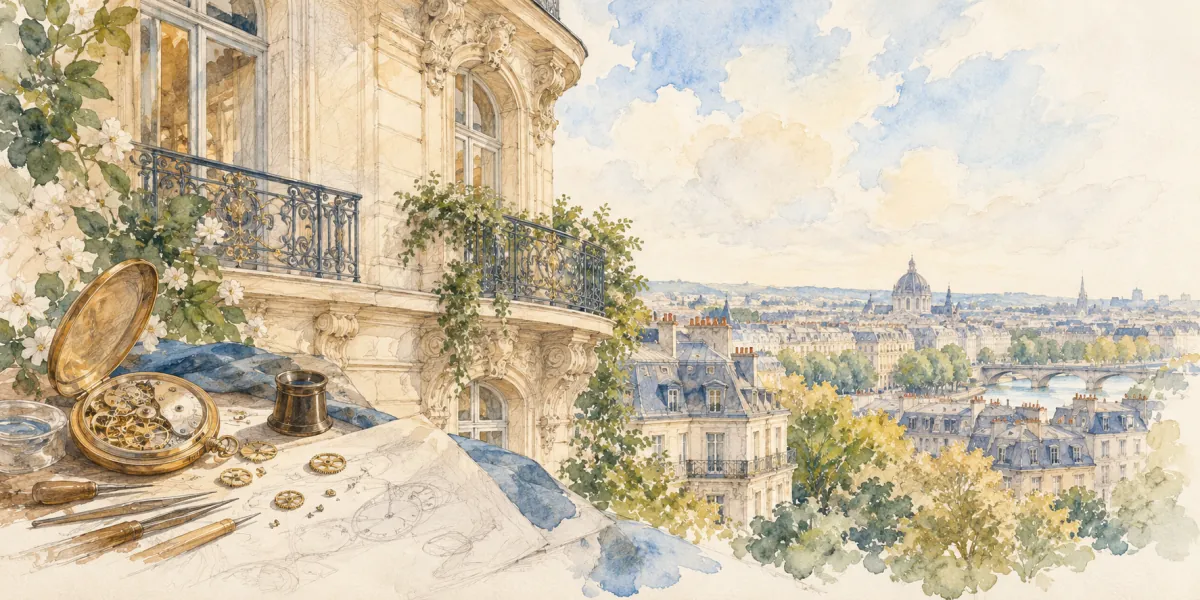
Carré de Paris attributes 24 Faubourg seconde to Dimitri Rybaltchenko and dates the illustrated scarf to 2011.[1] Its account links the design to the glass architecture of Maison Hermès Ginza.[1]
Exquisite Artichoke independently describes a 90-centimeter silk-twill example as a commemorative edition for the Ginza building’s tenth anniversary.[2] It gives the issue date as 2011/12 rather than one unequivocal year.[2]
The specialist descriptions agree on the artist and the anniversary association.[1][2] Both are commercial sources, however and neither consulted page reproduces a contemporary house announcement establishing the full commission history.[1][2]
The 90-centimeter format is documented by an individual object listing.[2] The exact inaugural year, printed signature and relationship to other Ginza-themed squares remain unestablished by these two accounts.[1][2]
Still open: The exact printed signature and inaugural release remain unconfirmed. The consulted records do not establish a complete reissue history or a documented annual-theme connection.
Cheval de caractère
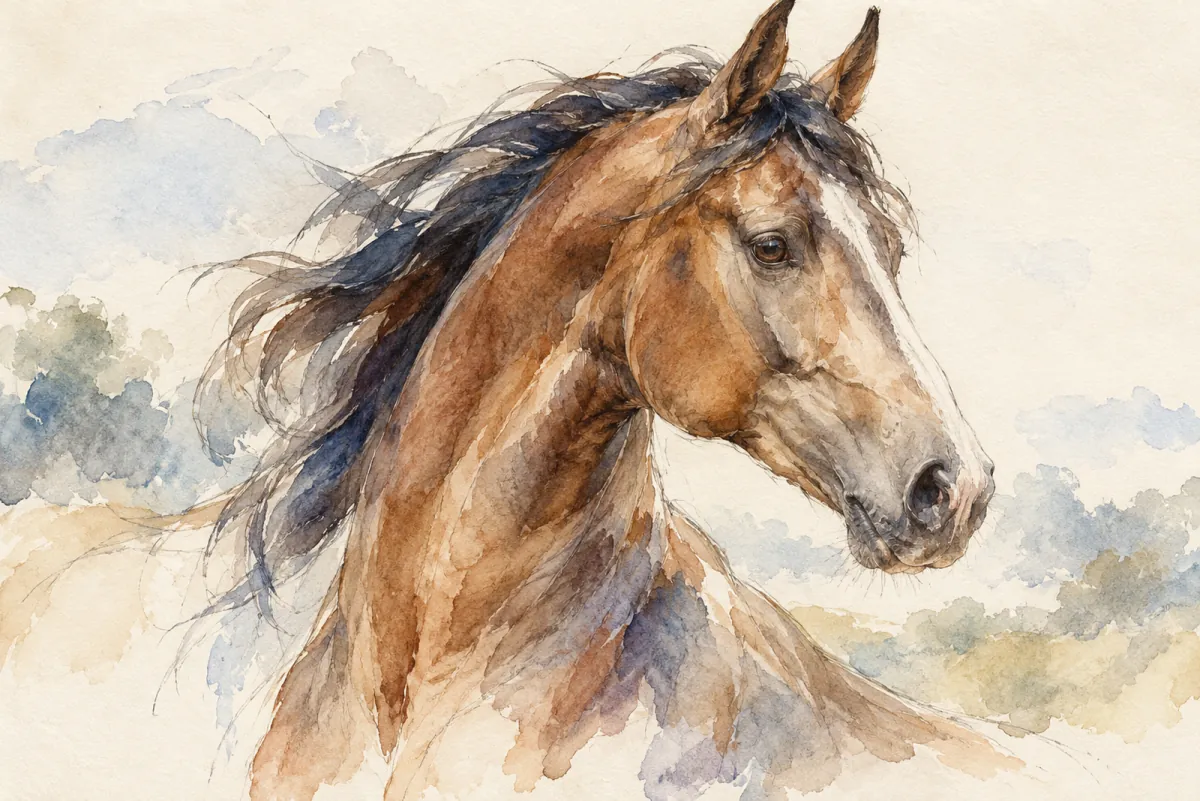
Dimitri Rybaltchenko explains Cheval de caractère through the double meaning of the French word caractère: temperament and a written character.[3] The horse has character because it is made from characters.[3] This is the artist’s stated premise rather than a retrospective interpretation.[3]
His explanation identifies the letters H, E, R, M, È and S as the elements used in the illustration.[3] The house name therefore supplies the marks from which the equestrian subject is constructed.[3]
Maurice Auction independently attributes the design to Dimitri Rybaltchenko and records a 90-centimeter silk-twill square.[4] Its catalogue supports the textile’s identity and format without adding an inaugural date.[4]
The artist’s account is strong evidence for the visual concept, but it does not establish the exact arrangement of every colorway or a release sequence.[3] The consulted auction notice likewise does not identify a later adaptation or an annual theme.[4]
Still open: The exact printed signature and inaugural release remain unconfirmed. The consulted records do not establish a complete reissue history or a documented annual-theme connection.
Cheval fusion
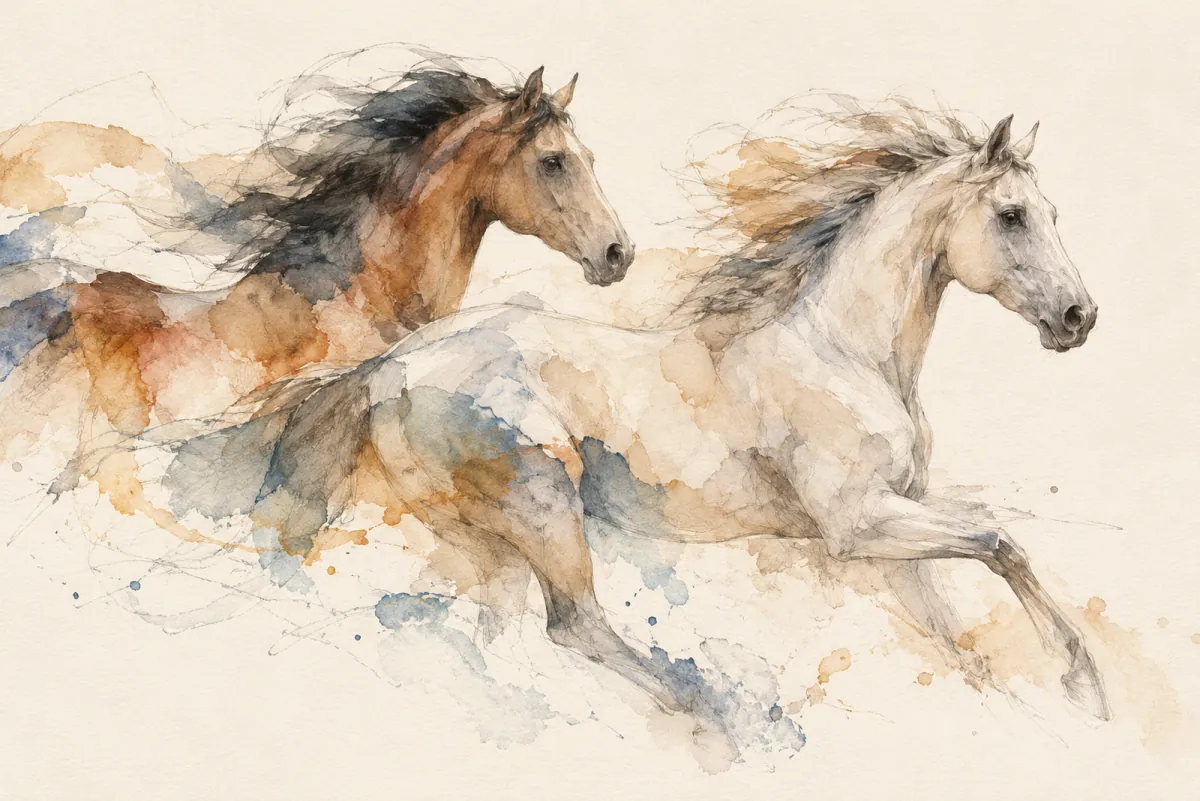
Crédit Municipal de Paris records Cheval fusion as a printed silk-twill square with a fuchsia ground.[5] It transcribes the artist’s signature as Dimitri R. and measures the object at approximately 90 centimeters square.[5]
Franke independently attributes the design to Dimitri Rybaltchenko and associates it with 2014.[6] Its signed silk example combines gold-colored and shimmering white tones, with dimensions of approximately 90 by 88 centimeters.[6]
Tiroche also catalogues a 90-centimeter scarf under the same title and artist attribution.[7] The separate object records support both the full artist name and the shortened signature found on the Paris example.[5][6][7]
The 2014 date remains an associated design date rather than an explicitly documented first release.[6] The catalogues do not explain the original inspiration or establish a full series of later editions.[5][6][7]
Still open: The exact printed signature and inaugural release remain unconfirmed. The consulted records do not establish a complete reissue history or a documented annual-theme connection.
Cheval mirage
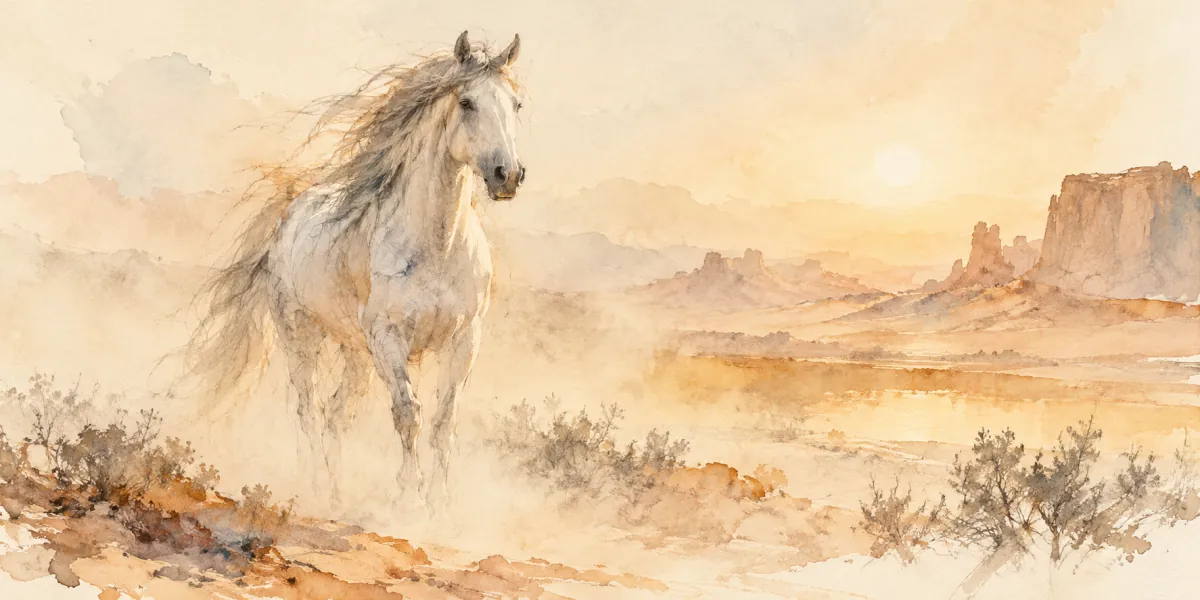
Crédit Municipal de Paris records Cheval mirage as a silk square signed Dimitri R.[8] Its description identifies a brown horse with pink halter and leads, in the nominal 70-centimeter format, measured at approximately 65 centimeters.[8]
Hermès independently credits Dimitri Rybaltchenko when describing a Clic HH enamel bracelet inspired by the silk design.[9] This confirms the artist attribution and a documented movement of the motif from silk into jewelry.[9]
Scarf Sage describes the horse’s head as an image emerging from a cloudlike arrangement framed by halters.[10] Its account associates the design with 2014, but does not reproduce a contemporary release document.[10]
The house’s bracelet record establishes the relationship between the two objects without dating the original scarf.[9] The auction signature supports the shortened printed name Dimitri R., while the house supplies the full artist name.[8][9]
Still open: The exact printed signature and inaugural release remain unconfirmed. The consulted records do not establish a complete reissue history or a documented annual-theme connection.
Faubourg express
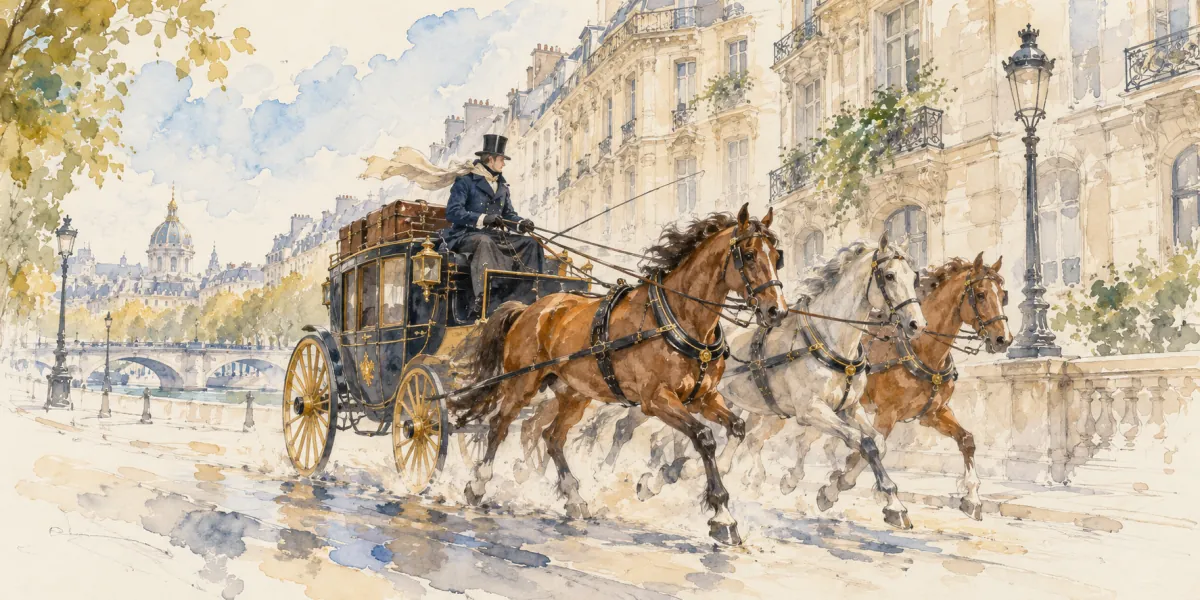
Hermès names Faubourg express in the image credits of its 2009 annual report.[11] The credit identifies Dimitri Rybaltchenko and silk twill, providing a house source for the attribution and material.[11]
A Gros & Delettrez catalogue independently records a silk-twill square under the same title, with a black ground.[12] Its notice transcribes the artist’s signature as Dimitri R.[12]
The annual report establishes the design’s presence in a publication associated with 2009.[11] It does not explicitly say that this was the drawing’s first release, so that year should not automatically become an inaugural date.[11]
The two records support the full name, shortened signature and silk-twill construction.[11][12] Neither consulted description supplies a complete account of the motif’s inspiration or a sequence of later formats and editions.[11][12]
Still open: The exact printed signature and inaugural release remain unconfirmed. The consulted records do not establish a complete reissue history or a documented annual-theme connection.
Les facéties de pégase
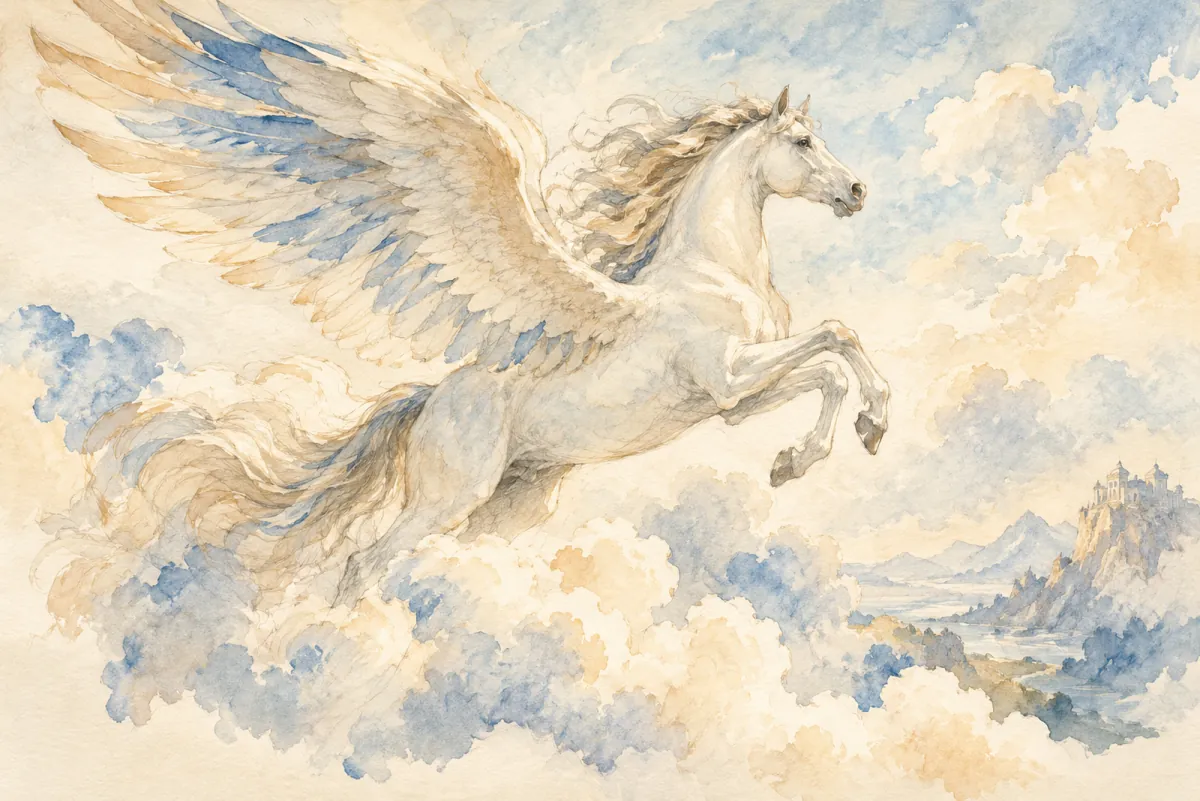
Franke attributes Les facéties de pégase to Dimitri Rybaltchenko and dates the design to 2014.[13] Its signed silk example is blue and green, measured at approximately 90 by 87 centimeters.[13]
A contemporary Spring-Summer 2014 scarf guide includes the design among that season’s offerings.[14] This provides a dated publication alongside the later auction description, though not an explicit first-release statement.[13][14]
Abigail Goodman also credits Rybaltchenko and describes a geometric portrait of the mythological winged horse.[15] The listed blue square is silk in the 90-centimeter format.[15]
The auction confirms a signature is present but does not transcribe its exact lettering.[13] The available evidence supports the artist, subject and 2014 association without establishing a complete reissue history.[13][14][15]
Still open: The exact printed signature and inaugural release remain unconfirmed. The consulted records do not establish a complete reissue history or a documented annual-theme connection.
Also by Dimitri Rybaltchenko
Sources and limits
- 24 Faubourg Seconde & Ginza Hermès Carrés · Carré de Paris2023-01-02
- 24 Faubourg Seconde · Exquisite Artichoke
- Cheval de caractère, explication de l’artiste · Dimitri Rybaltchenko
- Cheval de caractère, lot 186 · Maurice Auction
- Cheval fusion, lot 57 · Crédit Municipal de Paris2021-11-20
- Hiver 2026, lot 726 · Franke2026
- Vente 338, lot 179 · Tiroche2025-11
- Catalogue, lot 28 · Crédit Municipal de Paris2026-04-11
- Bracelet Clic HH Cheval Mirage · Hermès
- Cheval mirage · Scarf Sage
- Rapport annuel 2009 · Hermès; bibliothèque IFM2010
- Catalogue, lot 378 · Gros & Delettrez2024-11-13
- Automne 2025, lot 706 · Franke2025
- Spring Summer 2014 scarf designs · Spotted Fashion2014
- Les Facéties de Pégase 90 · Abigail Goodman
Separate catalogues do not always prove independent dating. A date given for a design is not assumed to be its first edition unless a source says so.